
On Cape Cod, many people consider extended visits from family and friends to be an integral part of summer fun. For those who may have outgrown their homes, perhaps due to welcoming new daughters- and sons-in-law and grandchildren, options for increasing the size of their home were potentially restrictive and depended on local zoning regulations that governed maximum land usage or the number of bedrooms allowed.
Those restrictions changed dramatically when the Affordable Homes Act was enacted in Massachusetts in August 2024.
As its name implies, the act was introduced to, in part, address the housing shortage throughout the Commonwealth. On Cape Cod, the act has not only allowed homeowners to build income-producing in-law apartments or accessory dwelling units—often referred to as ADUs—it has permitted the construction of secondary residential buildings that can be used to more comfortably welcome overnight guests.
What the New Law Allows
As of February 2025, when the act took effect, homeowners in Massachusetts, including all of the towns on Cape Cod, are allowed to build separate residential buildings on their property of up to 900 square feet of living space or up to 50% of the gross floor area of the principal dwelling, whichever is smaller.
Expanding or renovating an existing structure, such as a garage, cellar, or attic, is also now much more feasible. This could mean adding a second story to a garage or finishing a cellar or attic. In the case of an attic, dormers are now more permissible, greatly increasing the ceiling height and thus the usable space.
The ability to include a full kitchen—one with a range or cooktop, rather than merely refrigeration and a sink—in an ADU on Cape Cod is another major change. Prior to 2025, many ADUs, such as in-law apartments or carriage houses, had to forgo a cooking appliance in order to meet zoning requirements. The same is true of the inclusion of a bathroom with a shower or tub.
What the New Law Does Not Allow
A crucial distinction in ADUs that are built under the more relaxed regulations of the Affordable Homes Act is that they cannot be used for short-term rentals. The minimum stay for a paying occupant of an ADU on Cape Cod is 31 days. This parameter, which can vary slightly by town, was included specifically to prohibit the dwellings from being used as the type of vacation rentals that are often listed with agencies such as Airbnb or VRBO.
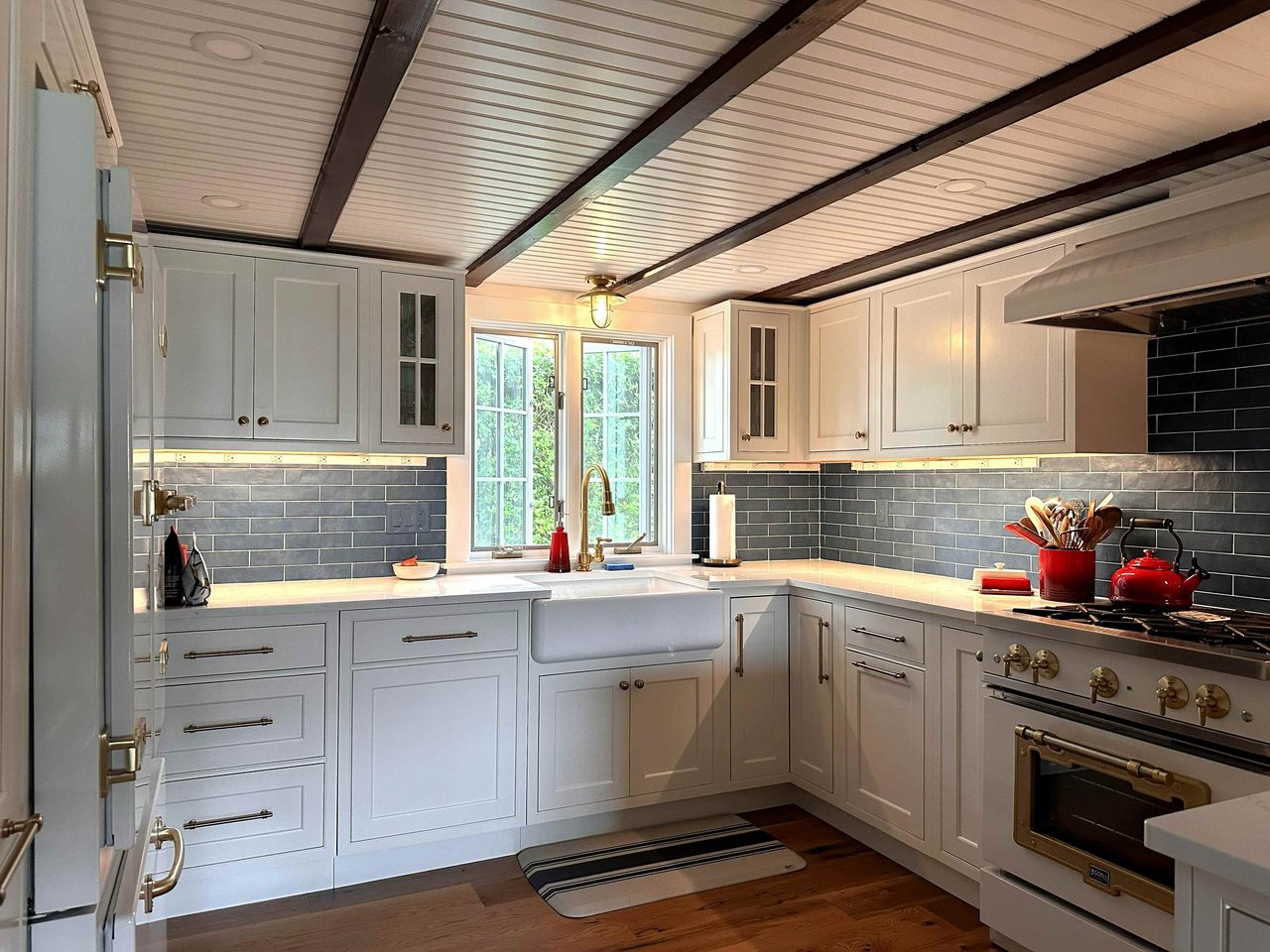
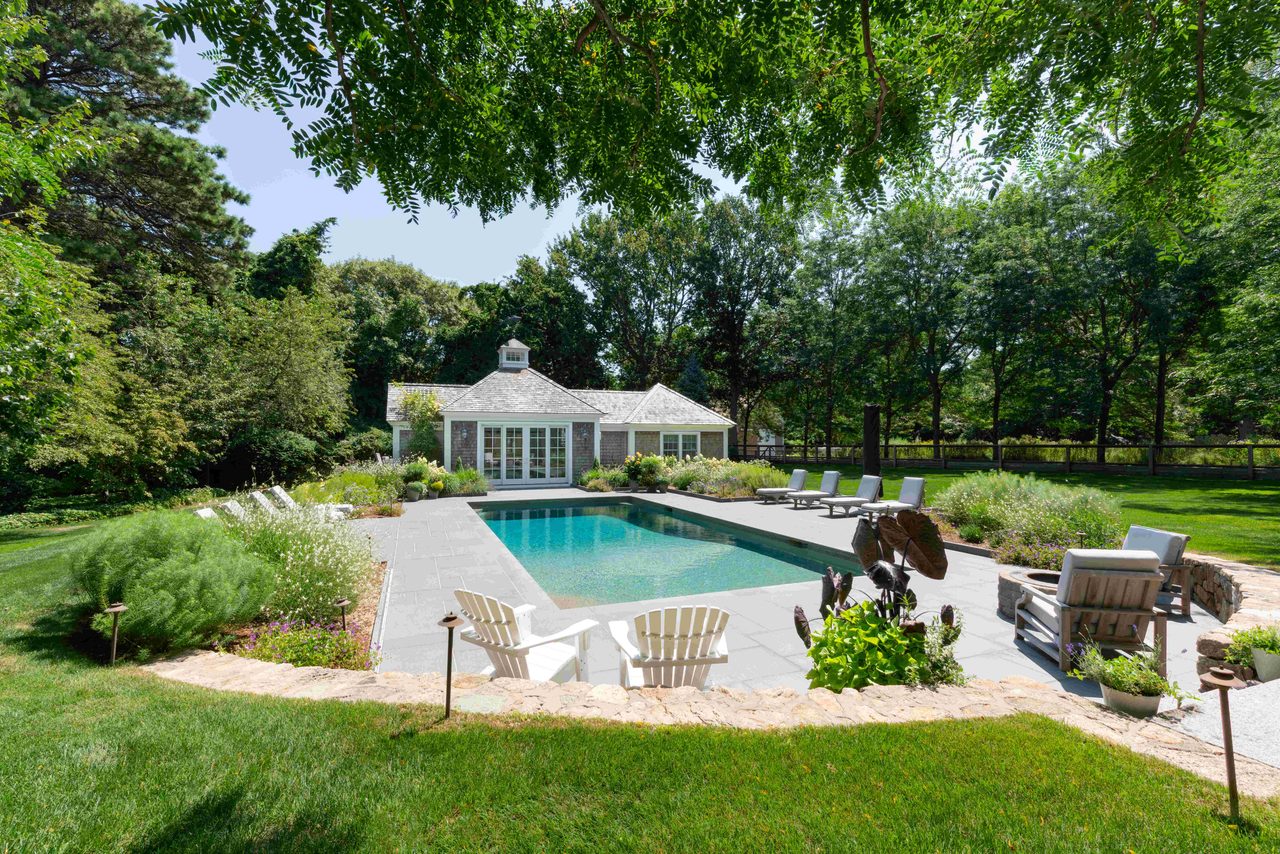
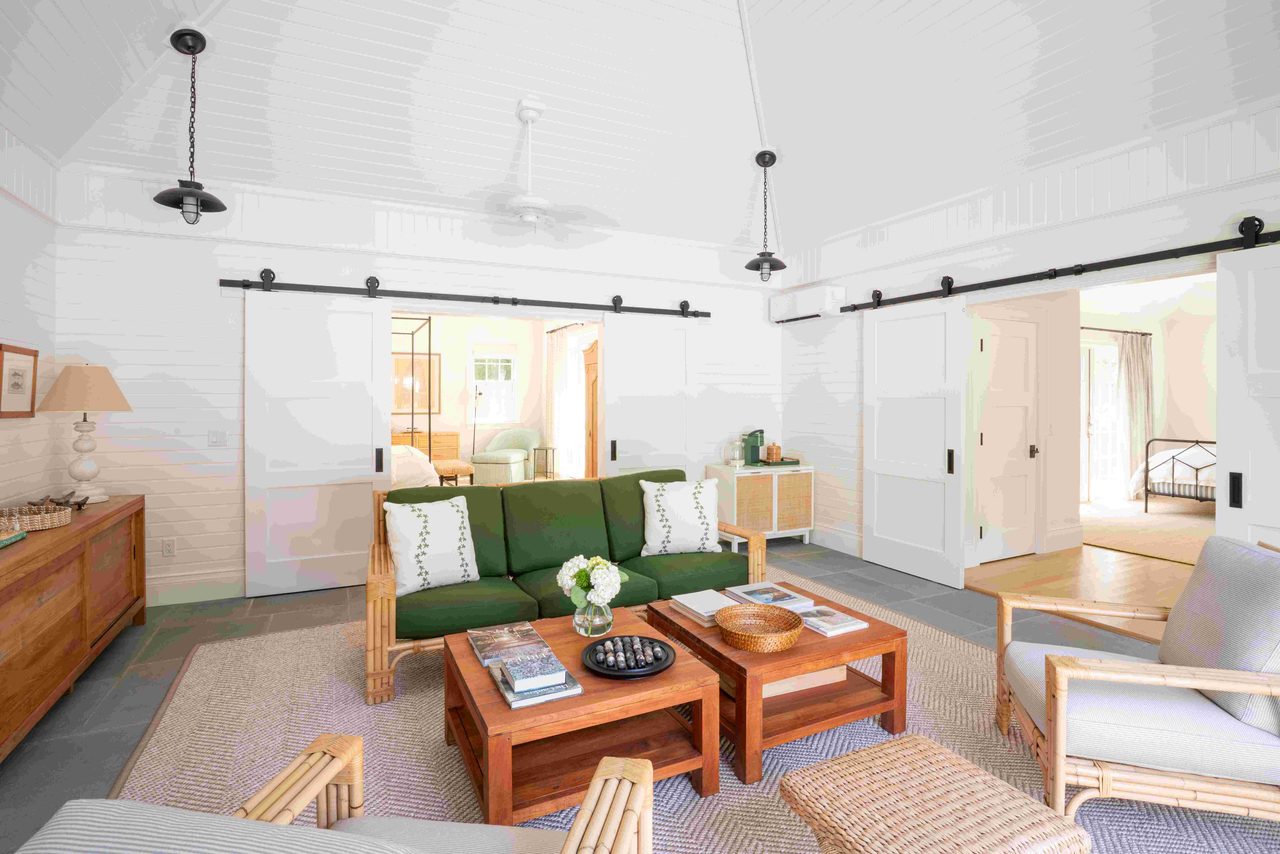
Clients of our Cape Cod custom homebuilding firm have embraced the new act. We have already completed several ADUs, with several more under construction. Because the act includes relatively flexible regulations, the types of structures our clients have opted for have varied, with one client adding a second story to an existing garage and another razing a garage and replacing it with a guesthouse that sits within the same footprint. Another client has built a cottage just up the hill from their home on a waterfront lot, and yet another decided to expand a planned pool house to include a full kitchen.
By no means does the Massachusetts Affordable Homes Act make the permitting process for building an accessory dwelling unit a given, but it certainly makes it far more viable.
Please contact us with any questions about building an ADU at your home or to arrange a consultation regarding any building or remodeling projects you are considering.